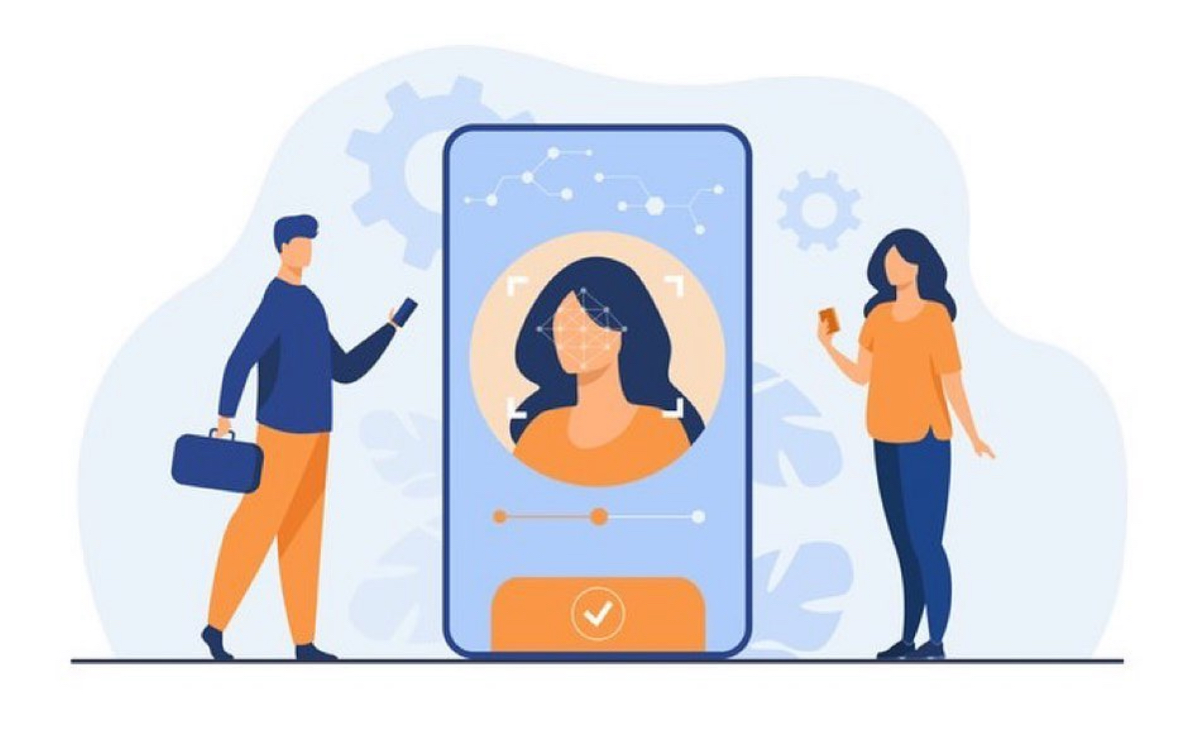
For this week, I learned the digital identity which is a key concept in the digital world that relates to your identity and activities on the Internet. Digital identity is multifaceted and a person can have many different digital identities, for example, if a person likes to discuss movies on YouTube, then he or she is a movie lover, if a person loves to shop on Amazon, then he or she is as an online shopper, and if a person loves to chat with people in social networking apps, then he or she is as a socialite.
Regarding personal digital identity, on personal social media accounts, we may be more inclined to share content about your personal life, hobbies, family photos, and other hobbies related to yourself. These are sourced from your own life and will be more free and easy. We may keep in touch with friends and family more often, focusing on social interactions. But on professional social media accounts, we may be more focused on sharing content related to your profession, industry, or business. This kind of content is usually more professional and targeted. We may interact more with our peers, business contacts, and professional organizations, focusing on professional networking and access to industry information.
The convergence of digital identities among the online public can have many implications and benefits, such as making it easier for individuals or entities to control their data, including data shared with other users or platforms. This can facilitate more efficient data exchange and collaboration. On the other hand, the existence of a digital identity system can effectively replace the previously complicated paper certificates from the process, reduce the cost of repeated communication between service providers and users, and greatly improve the efficiency of work. In addition, the digitization of personally identifiable information helps users more easily conduct transactions and other activities with the outside world, while protecting users from illegal activities. Of course, there are also impacts, such as not being able to determine whether the user who is using this digital identity is himself, it is difficult to trace the real validity of the digital identity information in the system from the source, and it is difficult to correspond the reality with the network identity. With the increasing number of people’s activities on the Internet, there is a greater risk of personal privacy information disclosure behind it, which may lead to user information being sold, resulting in serious property and related interest losses.
Reference
Jawed, Saira1; Mahboob, Usman2,; Yasmeen, Rahila3. Digital Professional Identity: Dear Internet! Who am I?. Education for Health 32(1):p 33-35, Jan–Apr 2019. | DOI: 10.4103/efh.EfH_232_17
K. Spracklen, Digital Leisure, the Internet and Popular Culture https://link-springer-com.ezproxy.library.uvic.ca/content/pdf/10.1057/9781137405876_6.pdf